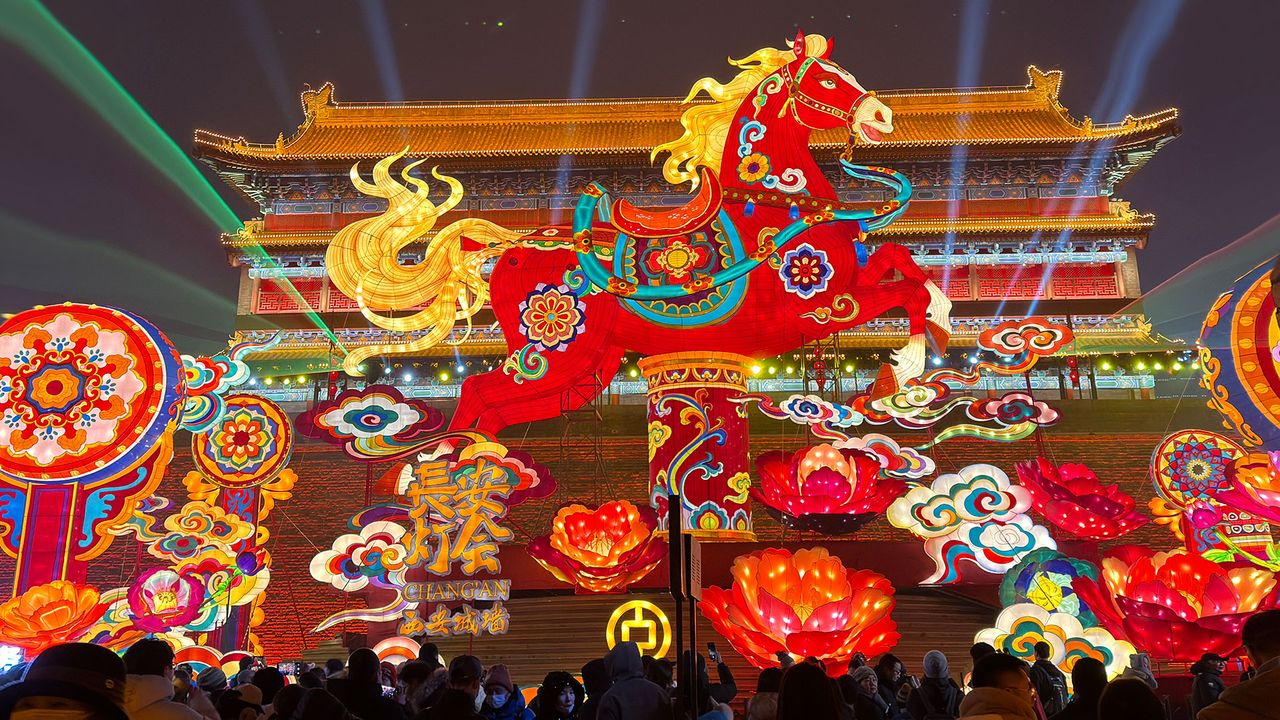
Kung Hei Fat Choi: Etiquette & When to Use This Quintessential Greeting
As the vibrant festivities of Lunar New Year approach, a familiar refrain echoes through streets, temples, and family gatherings worldwide: Kung Hei Fat Choi. Far more than a simple seasonal catchphrase, this Cantonese greeting is a profound cultural expression, steeped in centuries of tradition, linguistic nuances, and heartfelt wishes. It's a phrase that encapsulates the hopes, dreams, and collective spirit of renewal that defines one of the most important celebrations in many East Asian cultures. Understanding its true meaning, proper usage, and accompanying etiquette can significantly enhance your appreciation and participation in these joyous festivities.
Unpacking the Meaning of Kung Hei Fat Choi
To truly grasp the essence of Kung Hei Fat Choi, we must delve into its linguistic roots and the rich cultural context from which it springs. This powerful greeting is often misunderstood as solely a wish for monetary gain, yet its breadth of sentiment extends far beyond the purely financial.
Literal Translation and Cultural Roots
The phrase Kung Hei Fat Choi stems from the Chinese characters 恭喜發財 (pronounced Gong Xi Fa Cai in Mandarin). Let's break down its components:
- 恭喜 (Kung Hei / Gong Xi): The first two characters convey a sense of respectful congratulations and joy. It’s an acknowledgment of past achievements and a hopeful celebration of the new year's potential. Think of it as wishing someone well and expressing delight in their presence and prospects.
- 發財 (Fat Choi / Fa Cai): The latter two characters literally translate to "to become rich" or "to prosper financially." This speaks to the desire for increased wealth and material well-being.
Put together, the phrase is best understood as a heartfelt wish for "respectful congratulations and a prosperous year." While the emphasis on wealth might seem direct, its community usage broadens its meaning significantly. It's not just about accumulating money; it's a comprehensive blessing for overall good fortune, robust health, flourishing success in all endeavors, and general well-being. This reflects a holistic view of prosperity prevalent in many Asian cultures, where wealth is intertwined with harmony, health, and happiness for oneself and one's family.
It's also important to note regional linguistic differences. While Kung Hei Fat Choi is the prevalent Cantonese pronunciation, the same sentiment and characters are expressed as Gong Xi Fa Cai in Mandarin, and various other dialects offer their own phonetic versions. Regardless of pronunciation, the core intent remains consistent: a communal wish for better luck and widespread prosperity in the year ahead. For a deeper dive into its cultural significance, read our article on Kung Hei Fat Choi Meaning: Cultural Significance & True Intent.
When and Where to Use Kung Hei Fat Choi
Knowing the meaning is just the first step; understanding when and where to appropriately offer this greeting is crucial for respectful engagement.
The Lunar New Year Season
Kung Hei Fat Choi is overwhelmingly associated with and reserved for the Lunar New Year celebrations. This period typically spans from New Year's Eve through the early weeks of the lunar calendar, often extending up to the 15th day (the Lantern Festival).
- Family Reunions: It's the most common greeting exchanged among family members, from the youngest to the eldest, as they gather for reunion dinners and visits.
- Business Interactions: Colleagues, business partners, and clients often exchange this greeting as a sign of goodwill and a wish for mutual success in the coming year.
- Street Festivities: In areas celebrating Lunar New Year, it's perfectly appropriate to offer this greeting to neighbors, vendors, or even friendly strangers you encounter amidst the decorations and celebrations.
- Formal and Informal Contexts: The greeting is versatile, suitable for both highly formal settings (e.g., wishing a respected elder or a superior) and casual encounters (e.g., passing a friend in a decorated market).
The entire Lunar New Year period is a time of renewal, setting intentions, and expressing optimism. Using Kung Hei Fat Choi during this time is not just a polite gesture; it’s an active participation in a collective ritual of hope and communal blessing.
Beyond Lunar New Year?
While the sentiment of prosperity is always welcome, using Kung Hei Fat Choi outside the designated Lunar New Year period is generally uncommon and can sometimes feel out of place. It's deeply tied to the specific timing and atmosphere of the spring festival. Think of it like wishing someone a "Merry Christmas" in July – while the sentiment is kind, the context is off. Therefore, it's best to reserve this specific greeting for the Lunar New Year season to ensure your well-wishes are received as intended and resonate authentically with the cultural context.
Etiquette Essentials for Exchanging Kung Hei Fat Choi
Beyond simply uttering the words, there are customary practices and cultural nuances that elevate the greeting from a mere phrase to a meaningful exchange.
Delivery and Demeanor
When offering Kung Hei Fat Choi, sincerity and warmth are paramount. A genuine smile, direct eye contact, and a respectful demeanor convey your true intentions. Depending on the formality of the situation and your relationship with the person, you might also accompany the greeting with:
- A Light Bow: A slight nod or bow of the head, particularly when addressing elders or respected individuals, signifies respect.
- Clasped Hands: The gesture of clasping your hands together and bowing slightly, known as Gong Shou, is a traditional sign of respect and well-wishing.
- Warmth and Joy: Ensure your tone is cheerful and reflects the festive spirit of the season.
The Art of the Response
When you receive the greeting, a polite and customary response is usually a reciprocal wish for the same fortunes. Simply returning a warm "Kung Hei Fat Choi!" is perfectly appropriate. In more casual settings or among close friends, a simple "and you!" or the local equivalent can suffice. Adding a specific, personalized well-wish – such as "Wishing you good health!" or "May your family be happy!" – can also make the exchange feel more personal and heartfelt.
Important Cultural Nuances
To truly honor the tradition, consider these cultural notes:
- Red Envelopes (Hóngbāo or Lai See): The exchange of red envelopes containing money is a hallmark of Lunar New Year. When giving or receiving, always use both hands as a sign of respect. This ceremonial exchange often accompanies verbal blessings like Kung Hei Fat Choi, symbolizing the passing of good luck and prosperity.
- Avoid Negative Topics: During New Year visits and celebrations, it's considered impolite to discuss negative subjects such as illness, death, financial woes, or arguments. The focus should be entirely on positivity, good fortune, and auspicious beginnings. This creates a harmonious atmosphere crucial for inviting good luck into the new year.
- Auspicious Actions: Be mindful of other traditions like avoiding sweeping on New Year's Day (which is believed to sweep away good luck) or refraining from breaking dishes. While not directly related to the greeting itself, these practices collectively contribute to the atmosphere of inviting prosperity and good fortune.
These small gestures demonstrate respect for the culture and deepen the meaning of your greeting. For further reading on the multifaceted nature of this greeting, check out Kung Hei Fat Choi: Unveiling Its True Meaning Beyond Wealth.
Common Misconceptions and Deeper Reflections
Despite its widespread use, some common misconceptions about Kung Hei Fat Choi persist, primarily regarding its emphasis on wealth.
More Than Just Money
As previously touched upon, one frequent misconception is that the phrase purely values monetary gain. While "fat choi" explicitly references wealth, community usage has broadened the meaning to encompass a far more holistic view of success. This includes flourishing health, academic achievement, career advancement, family harmony, and general good luck. Saying Kung Hei Fat Choi signals solidarity and hope for shared prosperity, recognizing that true well-being is a blend of many fortunate aspects, not just the financial.
In many East Asian cultures, the concept of "wealth" is not solely about personal bank accounts. It often extends to the prosperity of one's family lineage, the success of one's children, the respect earned within the community, and enduring good health. Therefore, when people wish "Fat Choi," they are often envisioning a comprehensive sense of abundance and fulfillment for the recipient.
The Spirit of Renewal and Community
The celebrations themselves beautifully reflect the broader meaning of the phrase. Festive decorations in auspicious red and gold, elaborate family feasts, vibrant dragon and lion dances, and gift exchanges are all symbolic acts aimed at ushering in a bountiful and joyous year. The act of exchanging Kung Hei Fat Choi reinforces communal bonds, fosters a sense of collective optimism, and sets a positive tone for the future. It’s a shared expression of hope that the coming year will bring improved circumstances for everyone, a fresh start, and the resolution of past difficulties.
Conclusion
Kung Hei Fat Choi is much more than a simple festive phrase; it is a rich, multifaceted greeting that serves as a cornerstone of Lunar New Year celebrations. Understanding its origins, its expanded meaning beyond mere wealth, and the etiquette surrounding its exchange allows for a deeper appreciation of the cultural values it embodies – respectful congratulations, shared prosperity, and collective hope for the future. By using this greeting with sincerity and an awareness of its cultural nuances, you not only participate in a vibrant tradition but also contribute to the spirit of goodwill, renewal, and auspicious beginnings that define the Lunar New Year. So, as the new lunar year dawns, embrace the opportunity to offer a heartfelt "Kung Hei Fat Choi!" and share in the universal wish for happiness, success, and flourishing fortune.