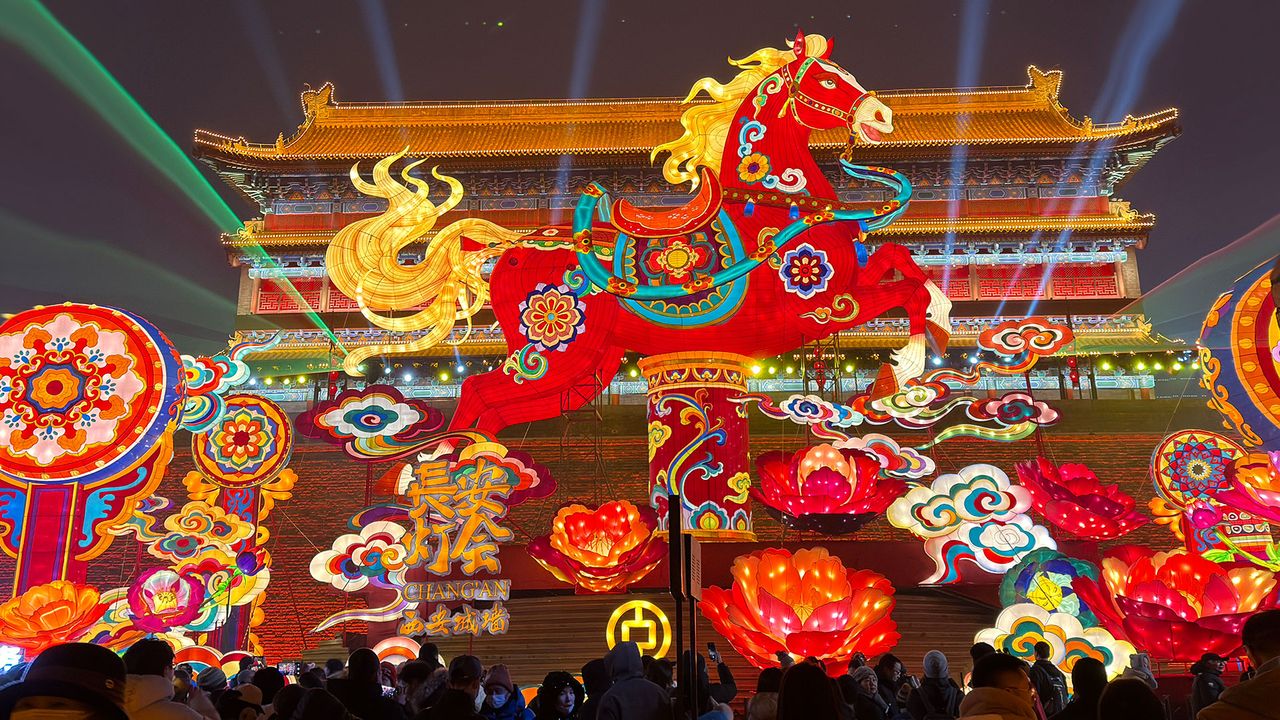
Kung Hei Fat Choi: Unveiling Its True Meaning Beyond Wealth
As the Lunar New Year dawns, a vibrant symphony of sights and sounds fills the air. Among the most cherished traditions is the exchange of heartfelt greetings, none more iconic than "Kung Hei Fat Choy." This familiar phrase, echoing through bustling streets, solemn temples, and joyous family gatherings, is often associated primarily with wealth. However, to truly appreciate its cultural weight and profound significance, we must delve beyond its common, literal translation and uncover the deeper layers of meaning it carries.
More than a seasonal catchphrase, Kung Hei Fat Choy is a powerful compact blessing rooted in ancient traditions and community spirit. It's a wish, a hope, and a shared sentiment that extends far beyond mere monetary gain, embracing a holistic vision of prosperity for the coming year. Let's embark on a journey to explore the true essence of this beloved greeting.
The Linguistic Roots and Literal Translation of "Kung Hei Fat Choy"
To understand the depth of Kung Hei Fat Choy, we must first break down its linguistic components. The phrase stems from the Chinese characters 恭喜發財. While Cantonese speakers commonly use "Kung Hei Fat Choy," its Mandarin counterpart is "Gong Xi Fa Cai," and various other dialects offer their own phonetic versions, all sharing the same fundamental intent.
- 恭喜 (Gung Hei / Gōngxǐ): The first two characters convey a sense of respectful congratulations. "Gung Hei" is a polite acknowledgment of past achievements or simply expressing joy and good fortune for the person being greeted. It carries an air of reverence and genuine well-wishing, setting a positive tone for the interaction.
- 發財 (Faat Choi / Fācái): The latter two characters speak directly to financial prosperity and the hope of increased wealth. "Fat Choy" literally translates to "to get rich" or "to prosper."
Put together, the most direct translation of Kung Hei Fat Choy is a wish for "respectful congratulations and a prosperous year." At first glance, the emphasis on wealth might seem blunt or purely materialistic to some. However, this interpretation often misses the broader cultural context and the profound intentions behind its utterance, which we will explore further.
Beyond the Bucks: The Broader Cultural Significance of Kung Hei Fat Choy
While "Fat Choy" explicitly references wealth, the community usage and cultural sentiment surrounding Kung Hei Fat Choy has broadened its meaning significantly. It's a misconception to think that the phrase purely values money above all else. In practice, the greeting functions as a comprehensive blessing, exchanged with the sincere hope for overall good fortune, success, and well-being in the coming year, not just an accumulation of riches.
In many East Asian cultures, the concept of "prosperity" is holistic. It encompasses a wide array of blessings that contribute to a fulfilling life:
- Good Health: A fundamental prerequisite for enjoying any form of prosperity. Without health, wealth is often meaningless.
- Happiness and Joy: Essential components of a rich life, bringing emotional and spiritual fulfillment.
- Success in Endeavors: Whether in business, academics, or personal projects, wishing "Fat Choy" also implies success in one's pursuits.
- Family Harmony: Strong family bonds and well-being are often considered the greatest form of wealth. A prosperous family is one that is united and thriving.
- Abundance: Beyond just money, this can mean a bountiful harvest, sufficient resources, and a life free from scarcity.
Therefore, when someone says Kung Hei Fat Choy, they are signaling solidarity and hope for shared prosperity within the community and for the individual's Kung Hei Fat Choi Meaning: Cultural Significance & True Intent, encompassing physical, emotional, and material flourishing. It's an affirmation of optimism and a collective prayer for a better future, emphasizing mutual good fortune rather than purely individual monetary gain. This deeper understanding enriches the exchange, transforming it into a powerful expression of care and community spirit.
When and How to Share This Heartfelt Greeting: Etiquette & Customs
The greeting Kung Hei Fat Choy is most widely used from New Year's Eve through the early weeks of the Lunar New Year celebration. This is a special period when families reunite, businesses exchange well-wishes, and street festivities unfold with vibrant energy. It is appropriate in both formal and informal contexts, from visiting respected elders and relatives to casually greeting neighbors in a decorated street or colleagues at work.
Understanding the etiquette surrounding this greeting enhances its respectful delivery and reception:
- Offer with Warmth: Sincerity and a warm smile are paramount. The spirit of the greeting is one of genuine well-wishing.
- Traditional Gestures: When appropriate, pair the verbal blessing with customary gestures:
- Red Envelopes (Hongbao/Lai See): These are traditionally given by married individuals or elders to unmarried younger relatives, children, or sometimes employees, symbolizing good luck and blessings. Always present or receive red envelopes with both hands as a sign of respect.
- Light Bow: A slight nod or bow of the head can accompany the greeting, particularly when addressing elders or those in a position of respect.
- Reciprocal Wishes: A polite response is usually a reciprocal wish for the same fortunes. In casual settings, a simple "and you!" or the local equivalent is perfectly acceptable.
- Avoid Negative Topics: During New Year visits, it's customary to avoid pairing celebratory greetings with negative topics such as illness, death, or misfortune. The focus should remain on positivity and renewal.
For more detailed insights into the customs and appropriate timings, you can explore resources like Kung Hei Fat Choi: Etiquette & When to Use This Greeting.
Regional Variations and the Spirit of Unity
While Kung Hei Fat Choy is the prevalent pronunciation in Cantonese-speaking regions like Hong Kong and Guangdong, the same underlying characters and sentiment are expressed across various Chinese-speaking communities. As mentioned, "Gong Xi Fa Cai" is the Mandarin equivalent, widely heard in mainland China, Taiwan, and among Mandarin-speaking diasporas.
The beauty of these regional language differences lies in the shared intent. Regardless of the phonetic variations, the core message remains universally understood: a communal wish for better luck, health, happiness, and prosperity in the year ahead. This linguistic diversity serves as a testament to the rich tapestry of Chinese culture, while simultaneously highlighting the unifying power of these shared festive traditions. It reinforces the idea that despite geographical or dialectal differences, the spirit of celebration and mutual well-wishing remains constant, binding communities together in collective hope and joy.
Common Misconceptions and Deeper Reflections
The most frequent misconception about Kung Hei Fat Choy is that its primary, or even sole, value lies in money. While the term "Fat Choy" directly references wealth, reducing the entire greeting to a mere wish for cash misses its profound cultural significance. This oversimplification can lead to a misunderstanding of the true spirit of the Lunar New Year, which is deeply rooted in family, community, gratitude, and hopeful renewal.
As we've explored, the term "prosperity" in this context is far more expansive. It embodies:
- Holistic Well-being: A desire for health, peace of mind, and emotional balance for the individual and their family.
- Successful Ventures: Wishing for good fortune in careers, businesses, and personal endeavors, leading to a fruitful year.
- Abundance in All Forms: This can mean a successful harvest for farmers, a flourishing business for entrepreneurs, or simply an abundance of happiness and good times for everyone.
- Community Flourishing: The wish for prosperity often extends to the entire community, signifying a desire for collective progress and harmony.
By understanding these deeper layers, uttering Kung Hei Fat Choy transforms from a simple seasonal phrase into a powerful statement of solidarity, optimism, and a shared vision for a truly rich and fulfilling year. It encourages individuals to reflect on what true "wealth" means in their lives – often finding that strong relationships, good health, and peace are far more valuable than material possessions alone.
Conclusion
The phrase Kung Hei Fat Choy is far more than a simple greeting for wealth; it is a profound cultural expression embodying respectful congratulations and a comprehensive wish for prosperity in its most holistic sense. It acknowledges past joys and expresses fervent hopes for a future filled with good health, happiness, success, and abundance for everyone. By embracing its true meaning, we not only honor a rich tradition but also cultivate a deeper appreciation for the interconnectedness of well-being within families and communities.
As the festive season arrives, let us exchange Kung Hei Fat Choy not just as a customary phrase, but with an understanding of its deep cultural roots and its expansive wish for a truly prosperous and fulfilling new year for all. May your year be filled with joy, health, and every form of good fortune. Kung Hei Fat Choy!