Kung Hei Fat Choi Meaning: Cultural Significance & True Intent
As the vibrant festivities of the Lunar New Year unfold, one phrase echoes across homes, streets, and digital greetings with profound resonance: "Kung Hei Fat Choi." Far more than a mere seasonal salutation, this Cantonese phrase is a powerful cultural touchstone, a linguistic blessing steeped in centuries of tradition. While many associate it primarily with wealth, the true intent behind Kung Hei Fat Choi: Unveiling Its True Meaning Beyond Wealth reveals a deeper, more holistic wish for well-being, success, and shared happiness.
Understanding the full spectrum of "Kung Hei Fat Choi meaning" unlocks a richer appreciation for the Lunar New Year and the enduring spirit of hope and community it embodies. Let's delve into its literal translation, explore its broader cultural significance, and discover how this timeless greeting continues to connect generations and spread goodwill.
Unpacking the Cantonese Greeting: Literal Meaning and Linguistic Roots
To truly grasp the essence of "Kung Hei Fat Choi," we must look to its linguistic origins, specifically the Chinese characters 恭喜發財 (Gōngxǐ Fācái in Mandarin). The phrase is Cantonese, a prominent dialect spoken widely in Hong Kong, Macau, Guangdong province, and by many overseas Chinese communities.
- 恭喜 (Gung Hei): The first two characters, 恭喜, translate to "respectful congratulations" or "reverent joy." It's a polite and formal way of expressing happiness for someone else's good fortune or acknowledging a momentous occasion. In the context of the New Year, it signifies a recognition of having successfully navigated the past year and an anticipation of good things to come. It carries a sense of bowing in respect and sharing in the collective happiness.
- 發財 (Fat Choi): The latter two characters, 發財, explicitly mean "to prosper" or "to get rich." While often interpreted as purely financial wealth, the term '發' (fa) implies blossoming, developing, or flourishing. Therefore, '發財' can encompass not just monetary gain, but also a flourishing of one's endeavors, health, and overall life circumstances. It's a wish for growth and abundance in every sense.
When combined, "Kung Hei Fat Choi" becomes a heartfelt wish for respectful congratulations and a prosperous year. It’s a concise yet potent blessing, setting a positive tone for the year ahead and acknowledging the hard work and hopes of the past year.
Beyond the Literal: The Broader Intent of Kung Hei Fat Choi
While the literal translation of "Fat Choi" points directly to wealth, its practical application during the Lunar New Year season extends far beyond mere financial gain. The true intent of "Kung Hei Fat Choi" is a multifaceted blessing, functioning as a comprehensive wish for overall good fortune, health, and success.
Many mistakenly believe the phrase solely values money, but this is a common misconception. In community usage, the sentiment is significantly broader, encompassing:
- Overall Well-being: Prosperity isn't just about bank accounts; it's about flourishing health, happiness, peace of mind, and harmonious relationships. A wish for 'Fat Choi' often implies good health for oneself and family, freedom from worries, and a fulfilling life.
- Success in Endeavors: Whether it's academic pursuits, career advancement, or personal projects, the greeting wishes for success and smooth sailing in all endeavors. It's an encouragement for growth and achievement.
- Good Luck and Fortune: Beyond tangible wealth, it's a general wish for good luck to befall the recipient, warding off misfortune and inviting positive circumstances throughout the year.
- Solidarity and Shared Hope: Exchanging "Kung Hei Fat Choi" builds communal spirit. It signals a shared optimism for the future and strengthens social bonds, uniting people in a collective wish for a better year for everyone. It reflects the collectivist values often found in Chinese culture, where individual prosperity contributes to the family and community's overall well-being.
This deeper understanding highlights that the phrase is not a crude demand for riches, but rather a profound expression of hope, goodwill, and a desire for all aspects of one's life to thrive. It’s a blessing that fosters a sense of collective flourishing.
When and How to Use This Powerful Blessing: Etiquette and Traditions
The appropriate use of "Kung Hei Fat Choi" is as important as understanding its meaning. This greeting is inextricably linked to the Lunar New Year celebrations and comes with its own set of customary responses and gestures. For a comprehensive guide, refer to Kung Hei Fat Choi: Etiquette & When to Use This Greeting.
Optimal Timing and Contexts:
- New Year's Eve through Early Weeks: The phrase is most widely used starting from Lunar New Year's Eve and continues through the first fifteen days of the new lunar calendar, often extending slightly longer in some communities. This period is marked by family reunions, visiting friends, and widespread festivities.
- Versatile Use: "Kung Hei Fat Choi" is appropriate in both formal and informal settings. You can use it when greeting elders, family members, friends, colleagues, business associates, or even passing neighbors in a decorated street.
Customary Gestures and Responses:
- Warmth and Sincerity: Always deliver the greeting with a warm smile and genuine sincerity. The intention behind the words is paramount.
- Red Envelopes (Lai See/Hongbao): A common and cherished tradition is the exchange of red envelopes, known as Lai See in Cantonese or Hongbao in Mandarin. These envelopes contain money and are typically given by married couples or elders to unmarried younger relatives and close friends. When presenting or receiving a red envelope, it is customary and respectful to do so with both hands. This ceremonial exchange often accompanies verbal blessings like "Kung Hei Fat Choi."
- Bowing and Other Gestures: A light bow of the head, a respectful nod, or the traditional 'Gong Shou' (cupped fist in the palm of the other hand) can accompany the verbal greeting, especially when addressing elders or those of higher status.
- Reciprocal Wishes: A polite response is usually a reciprocal wish for the same fortunes. A simple "Kung Hei Fat Choi to you too!" or "Same to you!" suffices in casual settings. Sometimes, other auspicious greetings like "Sun Tai Kin Hong" (Wishing you good health) or "Man Sai Yu Yi" (May all your wishes come true) are also exchanged.
Cultural Sensitivities:
To ensure your greeting lands respectfully, avoid pairing celebratory wishes with negative topics such such as illness, death, or financial troubles during New Year visits. The focus should always be on positivity, hope, and good fortune for the year ahead.
Kung Hei Fat Choi: A Reflection of Celebration and Community
The pervasive use of "Kung Hei Fat Choi" during the Lunar New Year period is a vivid reflection of the celebrations themselves. The holiday is a time for renewal, family reunification, feasting, and the exchange of blessings, all of which are encapsulated in this potent phrase.
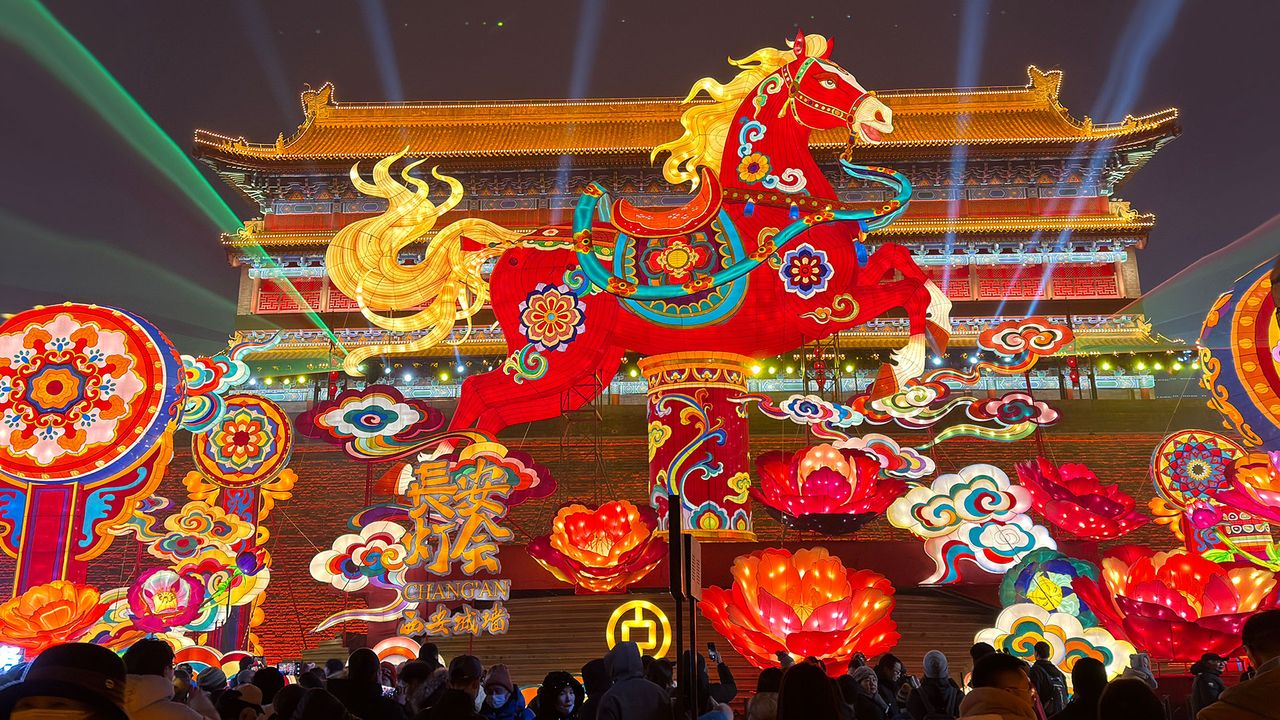
Think of the bustling streets adorned with red lanterns and couplets, the aroma of festive foods, the joyous laughter of children, and the heartfelt reunions of families traveling great distances. Every aspect of the celebration underscores the themes present in "Kung Hei Fat Choi" – from the "congratulations" for making it through another year, to the collective hope for "prosperity" in the coming one.
The greeting acts as an auditory thread weaving through the entire fabric of the celebration, connecting individuals to a larger communal experience. It’s not just a passive wish; it’s an active participation in a collective optimism, a reinforcement of social bonds, and a shared belief in a better future. When you utter "Kung Hei Fat Choi," you're not just speaking words; you're engaging in a cultural ritual that strengthens connections and spreads a palpable sense of good cheer and mutual support.
This deep connection between the phrase and the celebrations ensures that its meaning resonates deeply within the hearts of those who celebrate Lunar New Year, transforming it into a powerful symbol of heritage, unity, and unending hope.
Conclusion: More Than Just a Greeting, It's a Way of Life
"Kung Hei Fat Choi" is much more than a simple festive greeting; it is a profound cultural statement. It’s a testament to the enduring human desire for happiness, success, and well-being, expressed through the rich tapestry of Chinese tradition. From its literal roots in respectful congratulations and flourishing prosperity to its broader interpretation as a holistic blessing for health, success, and good fortune, the phrase encapsulates the spirit of the Lunar New Year.
As you hear or utter "Kung Hei Fat Choi" during the festive season, remember the depth of its meaning. It’s an invitation to share in collective optimism, to strengthen bonds, and to wish for a truly abundant and successful year for all. This powerful phrase is a timeless reminder that while wealth may be part of the wish, the true intent is always about a flourishing life in its entirety, shared within a vibrant and supportive community.